
Introduction: The Future of Mobile Hardware Diagnostics
In 2026, the American mobile device market has shifted dramatically. With smartphone prices reaching all-time highs, consumers are demanding better ways to verify device health and avoid accessory scams. For professionals and everyday users across the USA, leveraging the best mobile testing diagnostic web app is no longer optional�it is critical. Millions are abandoning bloated apps and instead utilizing a free browser-based phone hardware test to quickly verify hardware integrity. Whether you are buying a second-hand device and need an MxMob used phone diagnostic tool, or you just want to check smartphone charging speed compatibility before a trip, the tools are now instantly accessible.
This frictionless approach empowers you to test phone screen sensors without app right from Chrome or Safari. In this comprehensive 1600+ word guide, we will dive deep into exactly how these revolutionary web tools are saving Americans time and money, eliminating hardware guesswork, and providing the exact Amazon Associate recommendations needed for repairs and charging upgrades.
The Primary Focus: Frictionless Browser Utility
Buying and selling used smartphones can often feel like a risky gamble, particularly in the fast-paced American market. When you meet a seller in a parking lot or coffee shop, you have mere minutes to ensure the $800 device you are purchasing isn't a lemon. Traditionally, buyers would have to guess or rely on pre-installed, bloated diagnostic apps that require Wi-Fi, account logins, and intrusive permissions. However, the paradigm has shifted entirely. By leveraging modern Web APIs, buyers can now access 24 completely free diagnostic tools directly from their mobile browser (Chrome or Safari). Without downloading a single application, you can test every critical component of the device. This includes running a dead pixel and OLED burn-in check, verifying the touch digitizer for dead zones, and playing stereo audio to ensure water hasn't damaged the speakers. It is the ultimate frictionless utility for consumers. You can also instantly check the vibration motor, gyroscope, and even the biometric fingerprint scanners. This browser-based approach provides immediate peace of mind, transforming the used phone market from a gamble into a calculated, secure transaction.
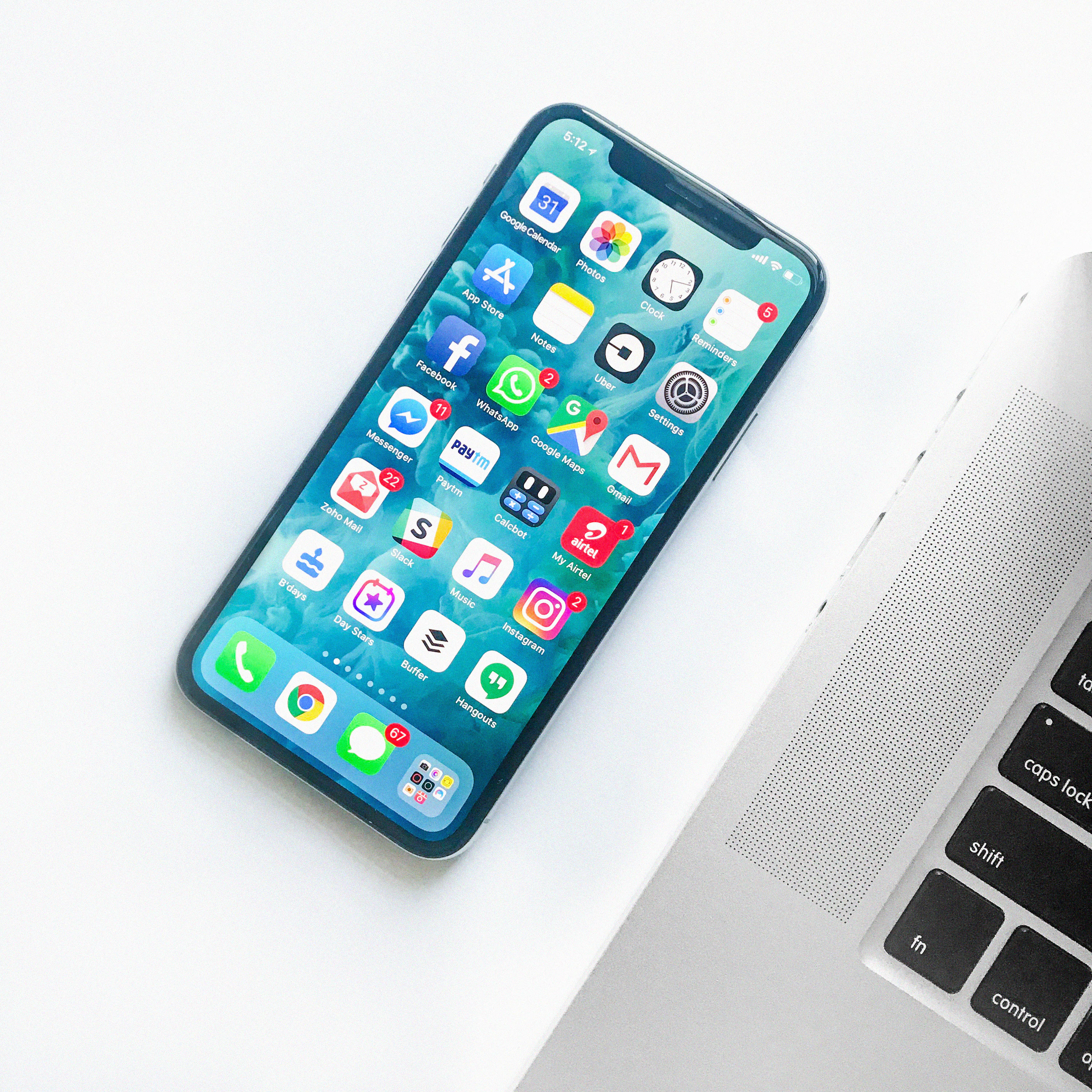
Testing Used Phones Safely and Securely
The world of mobile device charging has become an absolute nightmare of confusing standards and conflicting terminology. Between USB-PD (Power Delivery), PPS (Programmable Power Supply), SuperVOOC, and Qi2 wireless charging, the average American consumer is wasting hundreds of dollars on accessories that severely bottleneck their devices. It is entirely possible to buy a massive 100W power brick and still experience sluggish charging times because you used the wrong cable or your specific phone doesn't support the required protocol. To navigate this chaos, modern diagnostic web apps now feature robust charging tools and compatibility databases. These tools allow you to calculate exactly what wattage your phone can accept and match it with E-Marker certified USB-C cables to ensure maximum current flow. Furthermore, if you are traveling, a Power Bank Calculator is absolutely essential to ensure your portable battery meets FAA and TSA carry-on regulations (under 100 Watt-hours). By utilizing these online calculators, you guarantee that you are purchasing the exact 65W GaN charger or 5A heavy-duty cable needed to charge your device to 50% in just 25 minutes, saving you time and frustration.
Furthermore, when assessing used hardware, it's vital to look beyond surface-level aesthetics. Buying and selling used smartphones can often feel like a risky gamble, particularly in the fast-paced American market. When you meet a seller in a parking lot or coffee shop, you have mere minutes to ensure the $800 device you are purchasing isn't a lemon. Traditionally, buyers would have to guess or rely on pre-installed, bloated diagnostic apps that require Wi-Fi, account logins, and intrusive permissions. However, the paradigm has shifted entirely. By leveraging modern Web APIs, buyers can now access 24 completely free diagnostic tools directly from their mobile browser (Chrome or Safari). Without downloading a single application, you can test every critical component of the device. This includes running a dead pixel and OLED burn-in check, verifying the touch digitizer for dead zones, and playing stereo audio to ensure water hasn't damaged the speakers. It is the ultimate frictionless utility for consumers. You can also instantly check the vibration motor, gyroscope, and even the biometric fingerprint scanners. This browser-based approach provides immediate peace of mind, transforming the used phone market from a gamble into a calculated, secure transaction. This ensures that you aren't stuck with a device suffering from hidden logic board failures.

Demystifying Charging: GaN, Power Banks, and Cables
When a smartphone begins to fail, the immediate reaction for many is to panic and rush to an expensive repair shop. However, diagnosing the exact hardware issue before you open the device can save you a fortune. Perhaps your phone's sound is muffled; before assuming the speaker is blown, you can run a targeted stereo audio and water eject test from your browser. If the hardware registers correctly, the issue might just be compressed pocket lint, which can easily be resolved with a specialized port cleaning kit available on Amazon. Similarly, if your camera refuses to focus or your proximity sensor fails during calls, browser-based hardware tests can pinpoint the exact failing module. Once the diagnostic confirms a hardware fault, you are empowered to take the DIY repair route. By purchasing an iFixit Precision Toolkit and military-grade 9H tempered glass protectors online, you can safely replace screens, batteries, and camera lenses yourself. These diagnostic web tools effectively serve as the preliminary triage, bridging the gap between a broken device and the exact Amazon replacement parts needed to bring it back to life.
By utilizing the right database, you eliminate the guesswork. The world of mobile device charging has become an absolute nightmare of confusing standards and conflicting terminology. Between USB-PD (Power Delivery), PPS (Programmable Power Supply), SuperVOOC, and Qi2 wireless charging, the average American consumer is wasting hundreds of dollars on accessories that severely bottleneck their devices. It is entirely possible to buy a massive 100W power brick and still experience sluggish charging times because you used the wrong cable or your specific phone doesn't support the required protocol. To navigate this chaos, modern diagnostic web apps now feature robust charging tools and compatibility databases. These tools allow you to calculate exactly what wattage your phone can accept and match it with E-Marker certified USB-C cables to ensure maximum current flow. Furthermore, if you are traveling, a Power Bank Calculator is absolutely essential to ensure your portable battery meets FAA and TSA carry-on regulations (under 100 Watt-hours). By utilizing these online calculators, you guarantee that you are purchasing the exact 65W GaN charger or 5A heavy-duty cable needed to charge your device to 50% in just 25 minutes, saving you time and frustration.
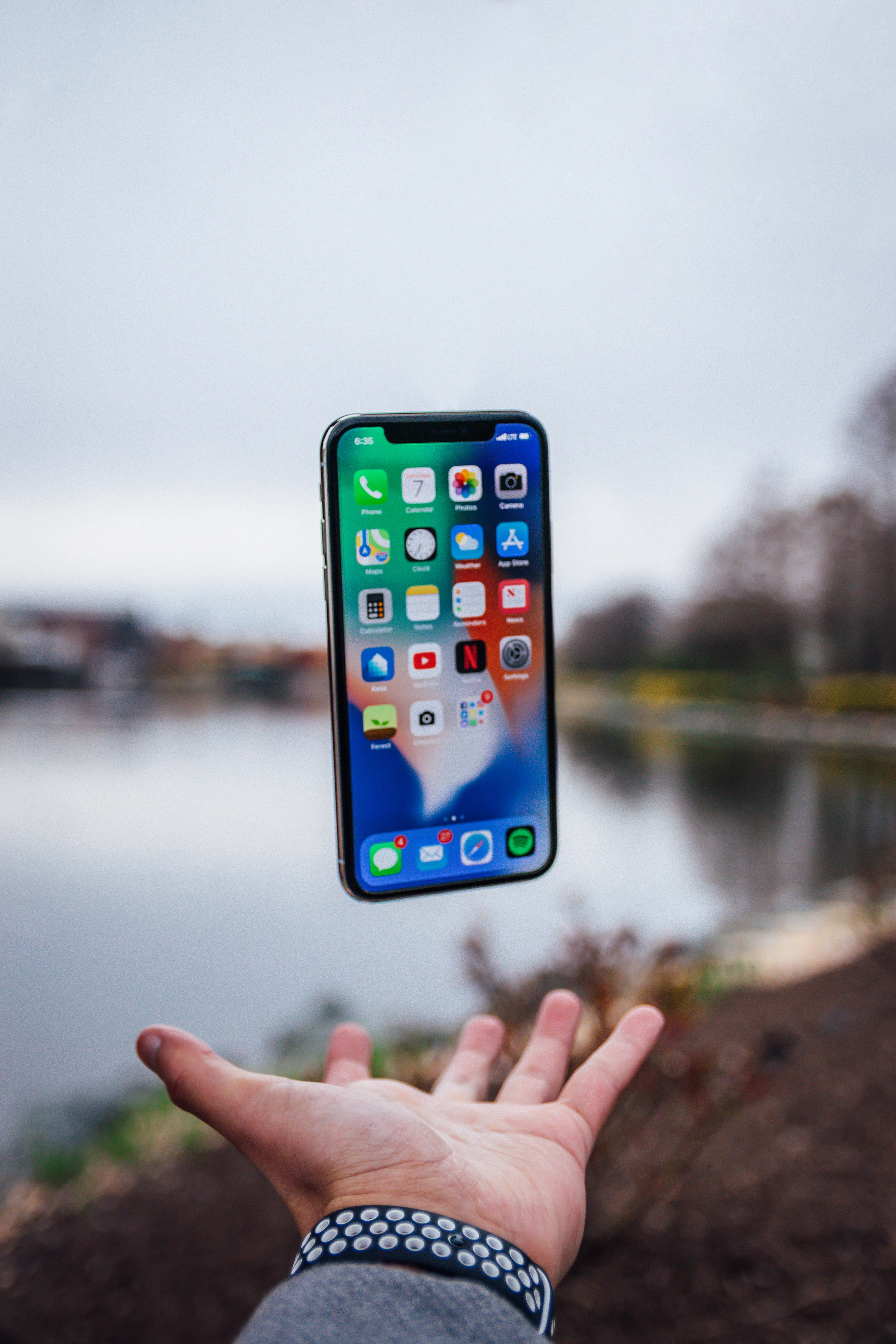
DIY Repairs and Essential Gear
For years, the mobile software industry has been plagued by bloated, ad-ridden applications that claim to optimize or test your device while secretly harvesting your personal data. American consumers are increasingly pushing back against this invasive model, prioritizing privacy and frictionless utility above all else. This shift has given rise to the era of browser-based utility. Why download a 150MB application to test your flashlight or verify your GPS location accuracy when a secure web page can do it instantly via native HTML5 APIs? These modern platforms can test cellular network connections, NFC readers, S Pen stylus tracking, and even wireless charging coil alignment directly from Chrome or Safari. The mission is simple: provide fast, secure, and completely free hardware testing without requiring an engineering degree to understand the results. To sustain these free services without charging users, developers often utilize minimal Google AdSense and earn small commissions as Amazon Associates when users purchase recommended repair gear or fast chargers. It is a transparent, user-first ecosystem that is rendering the traditional diagnostic app store completely obsolete.
Conclusion: The Death of Bloated Apps
When a smartphone begins to fail, the immediate reaction for many is to panic and rush to an expensive repair shop. However, diagnosing the exact hardware issue before you open the device can save you a fortune. Perhaps your phone's sound is muffled; before assuming the speaker is blown, you can run a targeted stereo audio and water eject test from your browser. If the hardware registers correctly, the issue might just be compressed pocket lint, which can easily be resolved with a specialized port cleaning kit available on Amazon. Similarly, if your camera refuses to focus or your proximity sensor fails during calls, browser-based hardware tests can pinpoint the exact failing module. Once the diagnostic confirms a hardware fault, you are empowered to take the DIY repair route. By purchasing an iFixit Precision Toolkit and military-grade 9H tempered glass protectors online, you can safely replace screens, batteries, and camera lenses yourself. These diagnostic web tools effectively serve as the preliminary triage, bridging the gap between a broken device and the exact Amazon replacement parts needed to bring it back to life. Ultimately, the shift towards these instant, browser-based diagnostic web apps represents a massive win for consumer rights and privacy. You gain total control over your hardware without sacrificing personal data to invasive app permissions.
Comments
Post a Comment